Can a 5 Axis Lathe be Used for Machining Small - Batch Parts?
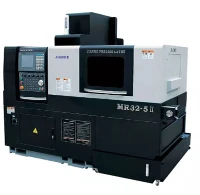
In the world of precision machining, the question of whether a 5 axis lathe can be effectively used for machining small - batch parts is one that often arises. As a supplier of 5 axis lathes, I have witnessed firsthand the capabilities and potential of these advanced machines in small - batch production scenarios.
The Advantages of 5 Axis Lathes for Small - Batch Machining
One of the primary advantages of using a 5 axis lathe for small - batch parts is the high level of precision it offers. With the ability to move the cutting tool along five different axes simultaneously, a 5 axis lathe can create complex geometries with a high degree of accuracy. This is particularly beneficial for small - batch parts, where each piece may require unique features and precise dimensions. For example, in the aerospace industry, small - batch production of turbine blades or engine components often demands the high - precision capabilities of a 5 axis lathe. The machine can easily access hard - to - reach areas and create smooth, accurate surfaces, ensuring that each part meets the strict quality standards of the industry.
Another significant advantage is the flexibility provided by a 5 axis lathe. In small - batch production, the ability to quickly change between different part designs is crucial. A 5 axis lathe can be easily programmed to accommodate various part geometries, reducing the setup time between different jobs. This flexibility allows manufacturers to respond rapidly to changing customer demands and produce a wide range of small - batch parts efficiently. For instance, a medical device manufacturer may need to produce small - batch custom implants. A 5 axis lathe can be programmed to create different implant designs, from simple bone plates to complex joint replacements, without the need for extensive retooling.
Cost - effectiveness is also a key factor when considering using a 5 axis lathe for small - batch parts. While the initial investment in a 5 axis lathe may be higher compared to traditional lathes, the long - term cost savings can be significant. With the ability to produce parts in a single setup, a 5 axis lathe reduces the need for multiple machining operations and fixtures. This not only saves time but also reduces labor costs and material waste. Additionally, the high precision of a 5 axis lathe reduces the likelihood of part rework or scrap, further contributing to cost savings.
Challenges and Considerations
Despite the many advantages, there are also some challenges and considerations when using a 5 axis lathe for small - batch parts. One of the main challenges is the complexity of programming. Operating a 5 axis lathe requires skilled programmers who can create accurate and efficient tool paths. Training employees to use the 5 axis lathe and its programming software can be time - consuming and costly. However, with the advancement of user - friendly programming interfaces and simulation software, this challenge is becoming less of an issue.
Another consideration is the cost of maintenance and tooling. 5 axis lathes are complex machines that require regular maintenance to ensure optimal performance. The cost of replacement parts and tooling can also be relatively high. However, proper maintenance and tool management can help minimize these costs. For example, using high - quality cutting tools and implementing a preventive maintenance schedule can extend the lifespan of the machine and reduce the frequency of tool replacements.


Real - World Applications
To illustrate the effectiveness of 5 axis lathes in small - batch machining, let's look at some real - world applications. In the automotive industry, small - batch production of custom engine parts, such as pistons or camshafts, can benefit greatly from the use of a 5 axis lathe. The ability to create complex shapes and precise tolerances ensures that these parts perform optimally in the engine.
In the jewelry industry, 5 axis lathes are used to create unique and intricate designs for small - batch jewelry production. The high precision of the machine allows jewelers to create detailed patterns and textures that would be difficult or impossible to achieve with traditional machining methods.
Our Product Offerings
As a 5 axis lathe supplier, we offer a range of high - quality machines that are suitable for small - batch machining. Our Double Spindle CNC Lathe For Processing Metal is designed to provide high - speed and high - precision machining for a variety of metal parts. It features a double - spindle design that allows for simultaneous machining on both sides of the workpiece, increasing productivity and efficiency.
We also have the Star Swiss Lathe For Sale, which is a versatile machine suitable for small - batch production of precision parts. It offers excellent stability and accuracy, making it ideal for machining small and complex components.
For those who require even more advanced capabilities, our 6 Axis CNC Machine provides an additional axis of movement, allowing for even more complex machining operations. This machine is perfect for small - batch production of high - end parts that require the utmost precision and flexibility.
Conclusion
In conclusion, a 5 axis lathe can be an excellent choice for machining small - batch parts. The high precision, flexibility, and cost - effectiveness it offers make it a valuable asset for manufacturers in various industries. While there are some challenges and considerations, such as programming complexity and maintenance costs, the benefits far outweigh the drawbacks.
If you are interested in learning more about our 5 axis lathes and how they can benefit your small - batch machining operations, we encourage you to contact us for a detailed discussion. Our team of experts is ready to provide you with the information and support you need to make an informed decision.
References
- "Precision Machining Handbook", John Wiley & Sons
- "Advanced Manufacturing Technologies", Springer Publishing