

Noise is an inevitable by - product in the manufacturing industry, and 5 - axis machining is no exception. As a leading supplier of 5 - axis machining solutions, we understand the importance of noise levels in this process, not only from the perspective of environmental protection and worker well - being but also in terms of the overall quality of the machining operation.
Understanding Noise Levels in 5 - Axis Machining
In 5 - axis machining, noise is generated from multiple sources. The primary sources include the cutting process itself, the movement of the machine axes, and the operation of auxiliary components such as coolant pumps.
The cutting process is a major contributor to noise. When the cutting tool engages with the workpiece, high - frequency vibrations are produced. These vibrations are transferred through the tool, the workpiece, and the machine structure, resulting in audible noise. The type of cutting operation, such as milling, drilling, or turning, can also affect the noise level. For example, high - speed milling operations can generate extremely high - pitched and intense noise due to the rapid rotation of the cutting tool and the high - energy impact on the workpiece.
The movement of the machine axes also plays a significant role in noise generation. The servo motors that drive the axes produce mechanical noise as they move the machine components. The friction between the moving parts, such as the linear guides and ball screws, can also create noise. Additionally, the acceleration and deceleration of the axes during rapid movements can cause sudden changes in noise levels, which can be particularly disturbing in a workshop environment.
Auxiliary components like coolant pumps are another source of noise. These pumps are essential for cooling the cutting tool and flushing away chips during the machining process. However, the operation of the pump, including the rotation of the impeller and the flow of coolant through the pipes, can generate a continuous background noise.
The noise levels in 5 - axis machining can vary widely depending on the specific machine, the cutting parameters, and the workpiece material. In general, noise levels in a typical 5 - axis machining environment can range from 70 dB(A) to over 100 dB(A). A noise level of 70 dB(A) is comparable to the sound of a busy office, while a level of 100 dB(A) is similar to the noise of a chainsaw or a jackhammer. Prolonged exposure to noise levels above 85 dB(A) can cause hearing damage, so it is crucial to control these noise levels in the workplace.
The Impact of High Noise Levels
High noise levels in 5 - axis machining can have several negative impacts. Firstly, from a human health perspective, long - term exposure to high - intensity noise can lead to permanent hearing loss. Workers in a 5 - axis machining workshop may experience tinnitus, a ringing or buzzing sound in the ears, which can be a precursor to more severe hearing problems. In addition to hearing damage, high noise levels can also cause stress, fatigue, and reduced concentration among workers. This can lead to a decrease in productivity and an increase in the risk of accidents in the workplace.
Secondly, high noise levels can affect the quality of the machining process. Excessive noise is often an indication of excessive vibrations in the machine. These vibrations can cause the cutting tool to deviate from its intended path, resulting in poor surface finish, dimensional inaccuracies, and even tool breakage. In some cases, the vibrations can also be transferred to the workpiece, causing micro - cracks or other defects.
Controlling Noise Levels in 5 - Axis Machining
As a 5 - axis machining supplier, we are committed to providing solutions to control noise levels in the machining process. Here are some effective strategies:
Machine Design and Maintenance
- Vibration Damping: Incorporating vibration - damping materials in the machine structure can significantly reduce the transmission of vibrations and, consequently, the noise level. For example, using rubber or polymer pads between the machine base and the floor can absorb some of the vibrations generated during operation.
- Proper Lubrication: Ensuring that all moving parts are properly lubricated can reduce friction and noise. Regular maintenance of the linear guides, ball screws, and bearings is essential to prevent excessive wear, which can lead to increased noise levels.
- Upgrading Components: Upgrading to high - quality, low - noise components can also have a positive impact on noise reduction. For example, using low - noise servo motors or coolant pumps can reduce the background noise in the machining process.
Cutting Parameter Optimization
- Cutting Speed and Feed Rate: Adjusting the cutting speed and feed rate can help reduce noise. In general, lower cutting speeds and feed rates can result in less intense cutting forces and vibrations, leading to lower noise levels. However, it is important to find the right balance between noise reduction and machining efficiency.
- Tool Selection: Choosing the appropriate cutting tool can also affect the noise level. A sharp tool with the correct geometry can cut more smoothly, reducing the vibrations and noise generated during the cutting process. For example, using a tool with a higher number of flutes can distribute the cutting forces more evenly, resulting in lower noise.
Workplace Design
- Soundproof Enclosures: Installing soundproof enclosures around the 5 - axis machining center can effectively isolate the noise. These enclosures are usually made of materials with good sound - absorption properties, such as fiberglass or acoustic foam. The enclosure can be designed to be modular, allowing for easy access to the machine for maintenance and operation.
- Noise - Absorbing Materials: Using noise - absorbing materials on the walls, floors, and ceilings of the workshop can help reduce the reverberation of noise. For example, installing acoustic panels on the walls can absorb the sound waves and prevent them from bouncing around the workshop, creating a more pleasant working environment.
Our Product Range and Noise Reduction
At our company, we offer a wide range of 5 - axis machining solutions, each designed with noise reduction in mind. Our Double Spindle CNC Lathe For Processing Metal is equipped with advanced vibration - damping technology and high - quality low - noise components. The double - spindle design allows for more efficient machining, reducing the overall machining time and, in turn, the exposure to noise.
Our 3 Axis High Spindle Speed CNC Lathe Machine is also designed to minimize noise. The high - speed spindle is precisely balanced to reduce vibrations, and the machine structure is optimized for maximum stability. Additionally, the coolant system is designed to operate quietly, ensuring a low - noise working environment.
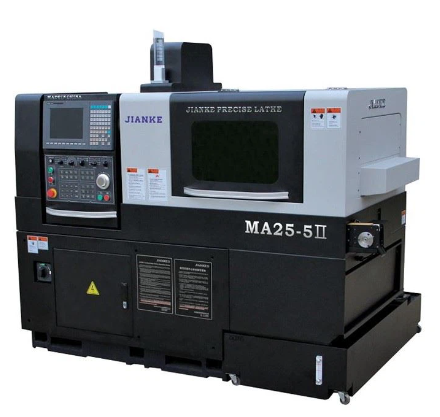

For more complex machining requirements, our Star Cnc Lathe is an excellent choice. This 5 - axis machining center features state - of - the - art noise reduction technology, including soundproof enclosures and advanced vibration control systems. The machine is capable of high - precision machining while maintaining a relatively low noise level.
Contact Us for Procurement
If you are interested in our 5 - axis machining solutions and would like to learn more about how we can help you control noise levels in your machining process, we encourage you to contact us. Our team of experts is ready to provide you with detailed information, product demonstrations, and customized solutions to meet your specific needs. Whether you are a small - scale manufacturer or a large - scale industrial enterprise, we have the right 5 - axis machining solution for you.
References
- Smith, J. (2018). Noise Control in Manufacturing Processes. Industrial Noise Journal.
- Johnson, A. (2019). The Impact of Noise on Machining Quality. Machining Technology Review.
- Brown, C. (2020). Advanced Machine Design for Noise Reduction. Machine Engineering Magazine.


