

Hey there! As a supplier of Precision CNC Lathes, I often get asked about the power consumption of these machines. It's a crucial topic, especially for those looking to manage costs and operate efficiently. So, let's dive right in and break down what affects the power consumption of a Precision CNC Lathe.
Understanding the Basics of Power Consumption
First off, power consumption in a CNC lathe isn't a one - size - fits - all thing. It depends on several factors. The main components that gobble up electricity are the spindle motor, the servo motors for the axes, and any auxiliary equipment like coolant pumps, lubrication systems, and control panels.
The spindle motor is usually the biggest power hog. It's responsible for rotating the workpiece at high speeds, and the more powerful the motor, the more electricity it uses. For example, a heavy - duty Precision CNC Lathe designed for machining large, tough materials might have a high - power spindle motor that consumes a significant amount of energy. On the other hand, a smaller lathe used for lighter jobs will have a less powerful spindle motor and thus lower power consumption.
Servo motors are another key factor. These motors control the movement of the cutting tools along the different axes (X, Y, and Z). The more precise and rapid the movements required, the more power the servo motors need. High - precision machining tasks often demand quick and accurate movements, which can lead to increased power usage.
Factors Affecting Power Consumption
Machine Size and Capacity
Bigger isn't always better when it comes to power consumption. Larger Precision CNC Lathes generally have more powerful motors and larger components, which means they use more electricity. If you're running a small - scale operation, a smaller lathe might be a more energy - efficient choice. For instance, a compact lathe can handle smaller workpieces with less power, saving you money on your electricity bill in the long run.
Machining Operations
The type of machining operations you perform also plays a huge role. Rough machining, where you're removing large amounts of material quickly, requires more power than finishing operations. During rough machining, the cutting tools have to work harder against the workpiece, which puts more strain on the motors and increases power consumption. Finishing operations, on the other hand, involve lighter cuts and smoother movements, so they use less energy.
Cutting Parameters
Cutting speed, feed rate, and depth of cut are important cutting parameters that affect power consumption. Higher cutting speeds and feed rates generally mean more power is needed. If you increase the depth of cut, the cutting tool has to remove more material with each pass, which also requires more energy. Finding the right balance between these parameters is crucial for optimizing power consumption. For example, you might be able to achieve the same machining quality by adjusting the feed rate and cutting speed slightly, while using less power.
Measuring Power Consumption
To get an accurate idea of how much power your Precision CNC Lathe is using, you can use a power meter. This device measures the electrical power consumed by the machine over a certain period. By monitoring the power consumption regularly, you can identify any abnormal spikes in energy usage, which could indicate a problem with the machine, such as a malfunctioning motor or a worn - out component.
You can also calculate the estimated power consumption based on the power ratings of the individual components. Most CNC lathes come with technical specifications that list the power requirements of the spindle motor, servo motors, and other parts. By adding up these power ratings, you can get a rough estimate of the total power consumption. However, keep in mind that this is just an estimate, as the actual power consumption can vary depending on the operating conditions.
Energy - Saving Tips
As a supplier, I always want to help my customers save on energy costs. Here are some tips to reduce the power consumption of your Precision CNC Lathe:
Optimize Machining Programs
Work with your programmers to optimize the machining programs. By using efficient tool paths and minimizing unnecessary movements, you can reduce the time the machine is running and thus save energy. For example, using continuous cutting paths instead of frequent starts and stops can make a big difference.
Maintain Your Machine
Regular maintenance is essential for keeping your CNC lathe running efficiently. Keep the motors well - lubricated, check the belts and gears for wear, and clean the cooling systems. A well - maintained machine operates more smoothly and uses less power. For instance, a dirty cooling system can cause the motors to overheat, which can lead to increased power consumption.
Use Energy - Efficient Components
When it's time to replace components, consider using energy - efficient ones. Some manufacturers offer motors and other parts that are designed to consume less power without sacrificing performance. Upgrading to these components can help you reduce your overall energy costs.
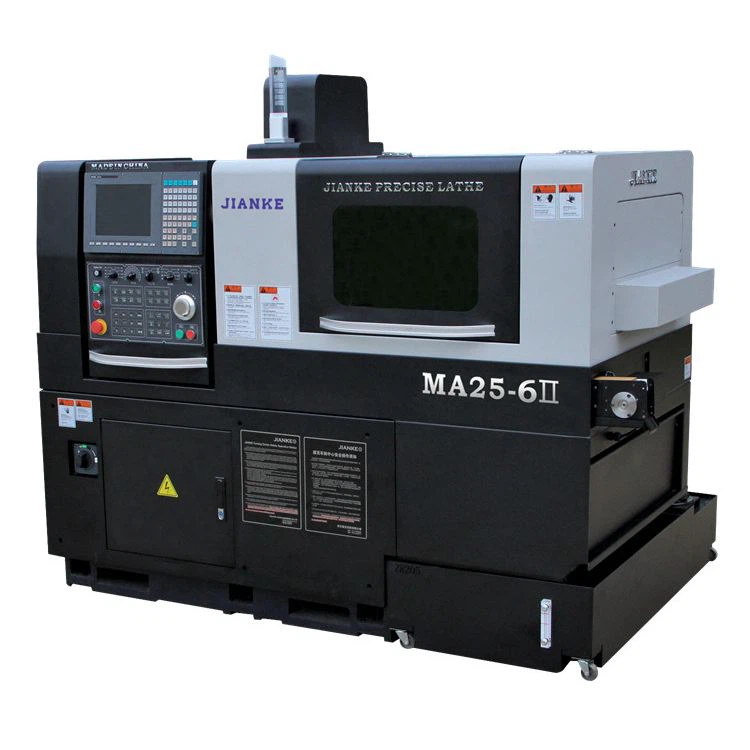

Our Product Range and Power Efficiency
At our company, we offer a wide range of Precision CNC Lathes, including the High Speed Horizontal CNC Machining Center, 5 Axis CNC Lathe, and High Speed CNC Horizontal Milling Machine Center. We understand the importance of power efficiency, and our engineers have worked hard to design machines that offer high performance while keeping power consumption in check.
Our machines are equipped with advanced control systems that optimize the cutting parameters automatically, based on the machining task. This helps to reduce power consumption without compromising on the quality of the machining. We also offer training and support to our customers to help them get the most out of their machines in terms of energy efficiency.
Conclusion
In conclusion, the power consumption of a Precision CNC Lathe depends on various factors, including machine size, machining operations, and cutting parameters. By understanding these factors and taking steps to optimize power consumption, you can save on energy costs and improve the overall efficiency of your machining operations.
If you're in the market for a Precision CNC Lathe or want to learn more about how to reduce the power consumption of your existing machine, don't hesitate to get in touch. We're here to help you make the right choice and ensure that your machining processes are as energy - efficient as possible. Contact us for more information and to start a procurement discussion.
References
- "CNC Machining Handbook" - A comprehensive guide on CNC machining, which includes information on power consumption and energy - saving techniques.
- Industry reports on the latest trends in CNC lathe technology and power efficiency.


